Avoid Poor Position Decisions Every Hand
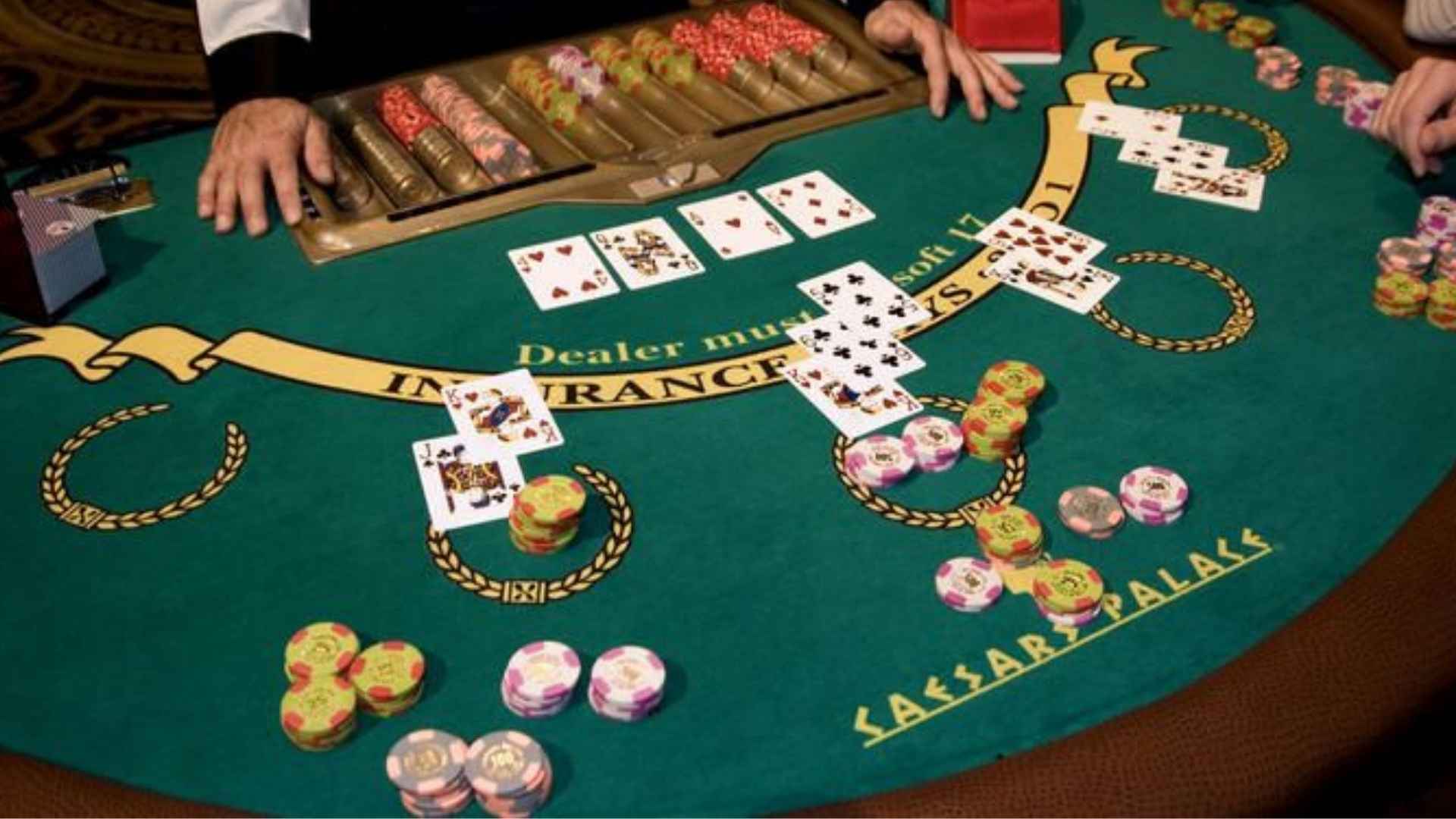
Success at the poker table is heavily dictated by tactical awareness and geometric positioning relative to the dealer button. Many enthusiastic players focus exclusively on their card combinations while completely ignoring how their physical seat affects their decision-making process. Failing to account for this crucial factor often leads to catastrophic chip losses across multiple betting rounds.
The Danger of Early Position Commitment
Entering a pot from an early position forces you to act before knowing how the rest of the table will react. This structural disadvantage heavily limits your strategic flexibility and exposes you to unexpected raises from observant competitors. Professional players recommend maintaining a highly selective starting hand range to mitigate these inherent risks effectively.
When you regularly play weak cards from under the gun, you invite long-term financial trouble. Observing table dynamics becomes nearly impossible when you are constantly forced to speak first without any external information. Tightening your requirements in these seats will immediately stabilize your overall win rate.
Leveraging the Ultimate Information Advantage
Acting last on the turn and river rounds grants you complete control over the tempo of the hand. You can easily observe whether your opponents check with weakness or bet with immense confidence before you commit any chips. This information advantage allows you to execute precise bluffs or maximize value with your premium made holdings.
Maximizing your participation while holding the dealer button is a core pillar of modern strategic excellence. Platforms featuring comprehensive gaming analysis, such as Mansion Sports, frequently emphasize how late positioning naturally inflates a player's long-term profitability. By shifting your aggression to these profitable seats, you minimize difficult guessing games.
Navigating the Tricky Blind Positions
The small and big blinds represent a constant financial drain that every competitor must manage with extreme care. Although you receive a slight discount to see the flop, you will be forced to play the remainder of the hand completely out of position. Defensive discipline is absolutely mandatory to prevent these positions from destroying your hard-earned progress.
Defending your big blind too loosely against late-position raisers is a common structural leak. Enthusiasts often feel emotionally compelled to protect their chips, leading to highly complex scenarios on later streets. Learning when to surrender your blinds gracefully protects your total bankroll from unnecessary exposure.
Adjusting Strategy for Dynamic Tables
A static approach to positioning will quickly make your betting patterns highly predictable to sharp opponents. You must continuously monitor how the players seated directly to your left and right adjust their own ranges. Adapting your tactical execution based on their specific tendencies ensures you maintain a competitive edge.
If aggressive players sit behind you, expanding your opening requirements becomes an extremely dangerous gamble. Conversely, passive opponents on your left allow you to steal pots with much higher frequency. Mastering these real-time adjustments transforms positional theory into a highly practical weapon every single session.